


RFK Jr Questions Journal Over Vaccine Article Removal
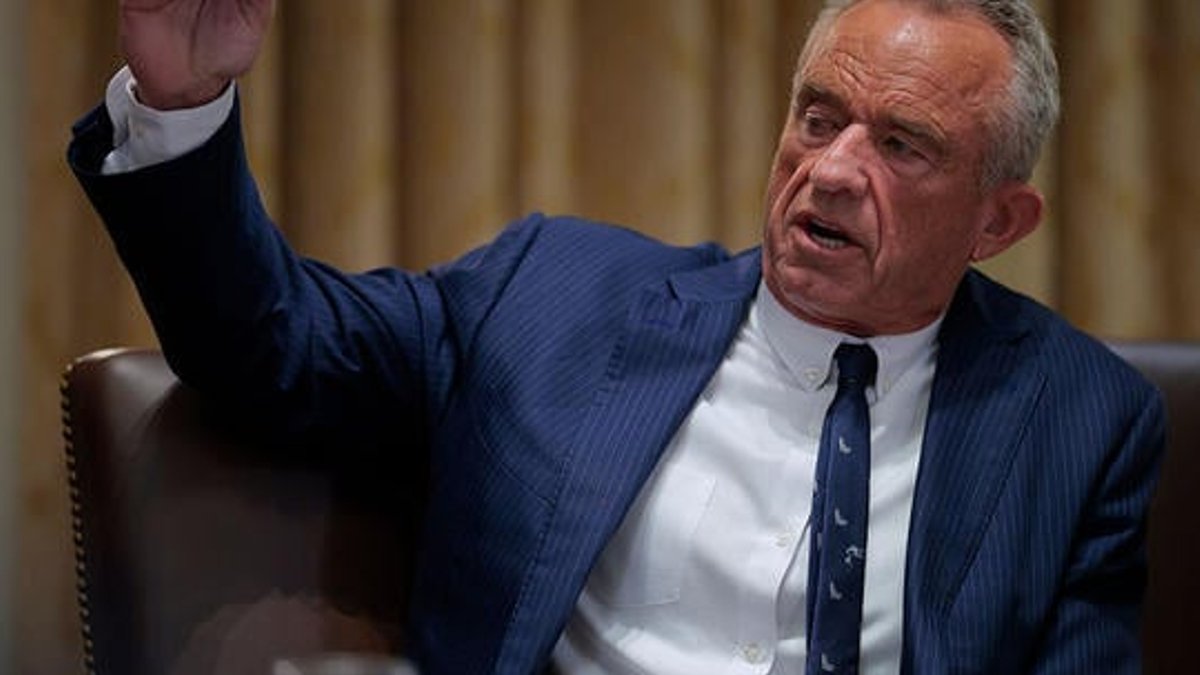
Health Secretary Robert F. Kennedy Jr. has asked the editor in chief of Toxicology Reports to explain why the journal removed a study linking vaccines to infant deaths. The letter, dated last week, targets a paper published five years ago by Neil Miller, a self-employed medical researcher. The study analyzed reports in the Vaccine Adverse Event Reporting System from 1990 to 2019.
Its abstract says the findings are “not proof of an association between infant vaccines and infant deaths” but “highly suggestive of a causal relationship.”
Kennedy posted his letter on X this week, writing that “Americans have a right to know why scientific papers are removed, who made those decisions, what evidence supported them, and whether the same standards are applied consistently.”
Related: ED Backs Out of NASFAA Conference Sessions
What the removal notice says
The journal’s removal notice says the editor in chief acted after “post-publication concerns raised by readers regarding potential research errors and methodological flaws.”
The investigation concluded that Miller’s response didn’t satisfy him.
“Serious methodological flaws were identified in the use of VAERS data to infer a correlation between vaccination and sudden infant death syndrome,” the notice states.
Related: Study Hacks to Excel in JEE 2022
Miller said the study was removed, not retracted, so it can no longer be accessed through the publication.
It remains available on a National Institutes of Health website.
He said the eight concerns raised against his paper came from a single woman and that most were “either insignificant or plainly incorrect.”
Related: The Modern Victorian: Contemporary Takes on a Classic Style
Kennedy demands more transparency
In his letter, Kennedy called the removal note “woefully insufficient” given “the high levels of public interest in vaccine safety and a history of both overt and obscure pressure against the study of some of these topics.” He gave the publication until June 25 to provide more information, including identifying the experts who conducted the investigation and their conflicts of interest. The journal’s editor, Lawrence H. Lash, a pharmacology professor at Wayne State University, did not respond to requests for comment. A spokesperson for Elsevier, the publisher, said, “We are aware of the letter to the journal, and it is under review.”
He has previously threatened to block government-funded scientists from publishing in certain well-regarded journals, claiming they are controlled by the pharmaceutical industry. That threat hasn’t been carried out so far, but it signals a broader skepticism of medical publishing that now includes direct pressure on a specific retraction.


